
What is Trauma and Recovery Cover?
Trauma and recovery cover, also known as critical illness cover, pays a one-off lump sum if you suffer a covered condition such as cancer, stroke, or heart attack. These conditions typically include major illnesses such as cancer, heart attack, stroke, loss of limbs, blindness, or other serious medical events mentioned in your policy. The payment is not tied to how you spend it. Once paid, the money is yours to use in whatever way best supports your recovery and your family.
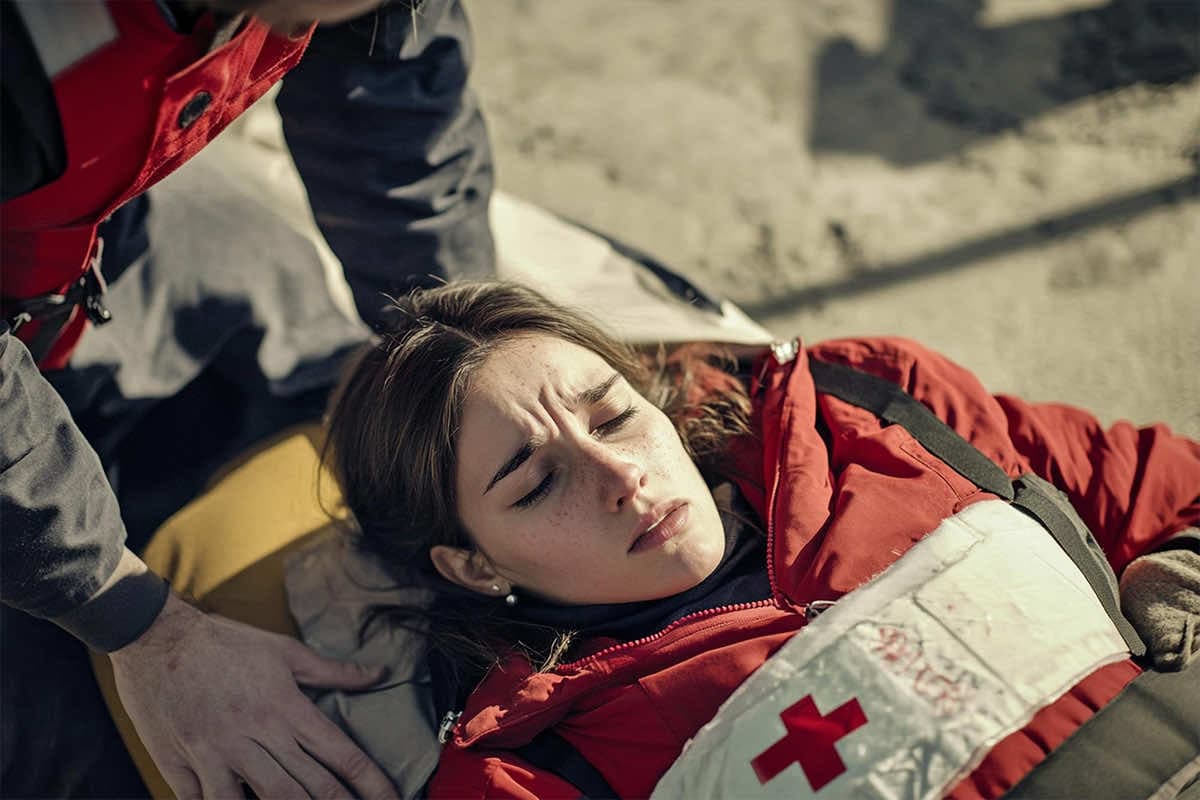
What Can Trauma Cover Insurance Help Pay For?
Recovery often comes with unexpected costs. Trauma cover insurance can help with:
-
Time off work – covering reduced income or a full break from work.
-
Everyday expenses – mortgage or rent, utilities, groceries.
-
Medical and recovery expenses – rehabilitation services, private healthcare, and specialist support.
-
Family support – allowing a partner or family member to take time off to help you.
-
Home adjustments – ramps, mobility equipment, or accessibility changes.
-
Travel and accommodation – if treatment is away from home.
-
Debt reduction – easing financial pressure while you recover.
How is Your Trauma and Recovery Cover Structured?
When setting up critical illness cover NZ, you can choose how it’s structured. Both options provide the same trauma and recovery benefits — the difference is how a claim affects your other insurance.
Trauma Cover Standalone
-
Trauma and recovery cover sits separately from your life cover.
-
If you make a trauma claim, your life insurance cover is not reduced.
-
Suitable if you want trauma protection without impacting life cover.
Trauma Cover Accelerated
-
Trauma cover is linked to your life cover.
-
If you make a trauma claim, the payment is made from your life cover.
-
This means your life cover is reduced by the amount paid.
-
Often, a more cost-effective option is to combine covers, which can reduce premiums.
-
Some policies allow you to buy back your life insurance cover later if needed.
Trauma Cover Premium Options
You can choose between two critical illness cover NZ, premium payment options, depending on how you want your costs to work over time.
-
Level premiums: With this option, your premium is designed to stay more stable over the long term, rather than increasing as you get older. It can suit people who prefer predictability and want to manage their future costs.
-
Stepped premiums: This option usually starts with a lower premium, but the cost increases over time as you age. It may appeal if you are focused on keeping your initial payments lower.
Could You Afford the Cost of Recovery Without Critical Illness Cover?
Ask yourself honestly:
-
If I couldn’t work for several months, would our income hold up?
-
Could my partner afford to take time off to support me?
-
Would savings cover both medical costs and everyday living expenses?
-
What if recovery takes longer than expected?
For many New Zealand households, the financial impact of serious illness can be just as challenging as the illness itself. Trauma cover insurance helps protect your family from that added burden.
What Benefits Does Trauma and Recovery Cover Offer?
Diagnosis Support Benefit
When a serious condition is first diagnosed, this benefit pays you part of your trauma cover insurance straight away. This early payment helps you with immediate costs like medical appointments, treatment planning, time off work, or everyday expenses. Common conditions covered under the Diagnosis Support Benefit are:
-
Angioplasty
-
Benign brain tumour
-
Benign spine tumour
-
Blindness
-
Cancer
-
Cardiomyopathy
-
Chronic kidney failure
-
Chronic liver failure
-
Chronic lung failure
-
Deafness
-
Encephalitis
-
Heart valve replacement
-
Loss of speech
-
Systemic sclerosis
If your condition later becomes more serious or progresses to the stage set out in the policy, the rest of your trauma and recovery cover is paid then.
The Newborn Child’s Benefit
The Newborn Child’s Benefit provides a one-off lump sum payment if your biological child is diagnosed with a serious congenital condition within months of birth. This support is designed to help families manage immediate medical, care, and financial pressures at a difficult time. Covered conditions may include:
-
Loss or absence of normal limb function
-
Permanent blindness
-
Permanent deafness
-
Spina bifida
-
Spinal muscular atrophy
-
Tetralogy of Fallot
-
Transposition of the great vessels
Child Trauma Support
If your child is diagnosed with a serious medical condition, this benefit provides a one-off payment to help your family cope with the immediate impact. It’s designed to ease pressure during hospital visits, recovery time, or when one parent needs to step away from work. This cover is designed to continue supporting your child after the Newborn Child’s Benefit no longer applies. It helps ensure ongoing financial support as your child grows and their needs change.
Financial and Legal Guidance Support
A trauma payout can bring relief — but also big decisions. This benefit helps cover the cost of professional financial or legal advice, so you’re not left guessing how to manage the funds. It’s about helping you make confident, well-informed choices during a stressful time.
Return to Home Benefit
If you have been living overseas for more than three months in a row and are diagnosed with a serious condition covered under a Full Trauma and Recovery Benefit, this benefit can help with the cost of returning to New Zealand for treatment and recovery. It offers reassurance that if your health situation changes while you’re abroad, you can make arrangements to get home promptly.
Support Person Accommodation and Transport Benefit
If a medical practitioner confirms that you need to travel outside your residential region to receive treatment for your condition, this benefit can help with both accommodation and transport costs for a support person. It allows a family member or someone you trust to travel with you and stay nearby during treatment. Having familiar support close at hand can make the experience less stressful and help you focus on recovery.
Grief Support
Looking after your mental wellbeing is an important part of recovery, alongside physical healing. Grief Support benefit helps cover the cost of professional counselling, giving you and, where appropriate, your family support during a challenging time.
Flexible Conversion Options
As your circumstances change, you may have the option to convert or restructure your Trauma cover without needing to go through new medical checks. These conversion options may be available under your policy:
-
Converting trauma and recovery cover after a significant life event: If a qualifying life event takes place and you have not reached the maximum increase limit under your policy, you may have the option to convert your current trauma cover into the same level of severe trauma cover, subject to the policy’s terms and conditions.
-
Converting a standalone trauma cover to life and trauma cover: This option may allow you to change a standalone trauma cover into a combination of life insurance policy and trauma cover. It can provide broader financial protection without requiring a new health assessment.
-
Converting part of trauma cover to severe trauma cover: You may have the option to convert part of your trauma cover into severe trauma cover, subject to policy terms and conditions. This can offer additional support if you want stronger protection for serious health conditions.
Guaranteed Wordings
Once your policy is set up, the core benefits of your trauma and recovery cover won’t be quietly watered down later. This means the cover and definitions you agreed to at the start stay in place, even if the insurer updates its policy wording in the future. This provides long-term confidence, knowing what you’ve arranged today will still be there tomorrow.
Automatic Future Benefit Improvements
If existing benefits of your critical illness cover NZ, are improved in the future, these updates may be added automatically to your cover. That means your protection can improve over time — without extra effort on your part.
Life Cover Buy-Back
If your trauma cover is linked to life cover, a trauma claim may reduce your life insurance amount. This option allows you to restore your life cover to its original level, helping you maintain long-term protection for your family.
Trauma and Recovery Cover Buy-Back
After making a trauma claim, your cover is usually reduced or used up. Buy-back options allow you to restore your trauma cover, so you’re protected again for the future. You can choose how this happens:
-
Immediate Buy-Back: Your trauma cover is automatically restored straight after a claim is paid. This means you continue to have trauma protection without a break.
-
Deferred Buy-Back: With this option, you can restore your trauma cover 12 months after a claim. It’s a more delayed reset, but still gives you the ability to be covered again later on.
Note: Conditions you’ve already claimed for may not be covered again, and waiting periods can apply.
Premium Relief Benefit
If illness or injury prevents you from working in your usual role, this option means your trauma cover premiums are paid for you by the insurance company during that time. It helps keep your cover in place when your income is reduced.
Future Insurability Option
This option gives you the ability to increase your critical illness cover in the future without needing new medical checks. If your policy allows, you can request an increase at specific times set out in the policy.
This means your cover can grow as your income rises or as your family and financial responsibilities change, even if your health is no longer the same as when you first took out the policy.
Needlestick Benefit
If you work in medical, healthcare, or emergency services, this benefit can provide financial support if you contract a serious infection, such as Hepatitis B, Hepatitis C, or HIV, due to a needlestick or similar workplace exposure.
What’s Not Covered in Your Critical Illness Cover Nz?
-
Any injury or condition resulting from intentional self-harm, including attempted suicide.
-
Claims arising from involvement in illegal or criminal activities.
-
Situations where you, or a covered child, do not survive for at least 14 days after first meeting the definition of a covered condition.
-
Harm to a covered child caused by you, or by the child’s parent or legal guardian.
Get The Right Trauma Cover Insurance With Expert Guidance
Choosing the right trauma cover insurance and structuring it correctly makes a real difference. LifeCycle Financial works with leading insurers to help you:
-
Decide what works best for you between standalone or accelerated trauma cover.
-
Set the right level of cover for your lifestyle and commitments.
-
Ensure your protection stays aligned as life changes.
-
Whether premiums should be stepped or level depends on your financial circumstances, budget, and long-term plans.
Talk to our experienced financial advisers at LifeCycle Financial today to get the critical illness cover and live with peace of mind — now and into the future.